


PERFORMANCE INTELLIGENCE / EXECUTIVE HEALTH
Your Health Is a Business Asset.
Manage It Like One.
A practical guide to building the energy, physical capacity and resilience required to perform at the highest level without your health competing with your career, family or lifestyle.
For founders, CEOs and senior leaders who expect more from their health and performance.
READY TO DIVE DEEPER?
CHOOSE YOUR SUBJECT↓
THE PEAK ID VIEW
High Performance Requires More Than Being Successful at Work.
The demands that come with operating at a high level create a unique health problem.
Your diary changes. Travel disrupts routines. Client dinners make nutrition unpredictable. Stress follows you home. Sleep gets sacrificed. Training becomes something you squeeze into whatever time remains.
Eventually, the standards you've built professionally stop being reflected physically.
The answer isn't necessarily more discipline.
It's building a health and performance system designed around the reality of your life.
At Peak ID, we look at executive health through several interconnected areas: energy, sleep, stress, nutrition, training, body composition, cardiovascular fitness, biomarkers and recovery.
Because none of them operates in isolation.
KEY PRINCIPLES
01
Your health needs a system capable of surviving a demanding schedule.
02
Energy and performance are influenced by multiple interconnected factors.
03
What gets measured can be managed more intelligently.
04
Training and nutrition should support your life, not consume it.
05
Long-term performance requires recovery as well as output.
THE REALITY
Your Calendar Wasn't Designed Around Your Health.
Most health advice assumes a relatively predictable life.
Train at the same time every day.
Prepare your meals.
Get eight hours of sleep.
Limit alcohol.
Reduce stress.
Stick to your routine.
Useful advice — until your Tuesday involves an early flight, six hours of meetings, a client dinner and getting back to the hotel at 11pm.
For founders, CEOs and senior leaders, inconsistency isn't always caused by a lack of motivation.
It's often built into the environment.
Travel. Deadlines. Leadership responsibility. Social obligations. Family. Long working hours. Constant decision-making.
A successful health strategy therefore cannot depend on removing those demands.
It has to work around them.
That changes the question from:
“How can I be more disciplined?”
to
“How do I build a system that continues to work when life becomes unpredictable?”
THE BIGGER PICTURE
Your Body Doesn't Operate in Departments.
In business, it's easy to separate finance, sales, marketing and operations.
Your physiology isn't as convenient:
Sleep affects recovery.
Recovery affects training.
Training influences physical capacity.
Stress can influence sleep, appetite and behaviour.
Nutrition affects energy and body composition.
Alcohol can affect sleep, food choices and recovery.
And your overall health influences your ability to perform across all of them.
This is why solving executive health rarely means finding one magic workout, diet, supplement or morning routine.
It means understanding the entire system.
THE PEAK ID EXECUTIVE HEALTH MODEL
ENERGY
Your ability to sustain physical and mental output throughout the day.
SLEEP & RECOVERY
Your ability to recover from the demands placed upon you.
↓
STRESS & RESILIENCE
Your ability to operate under pressure without allowing chronic workload to continually compromise recovery and behaviour.
NUTRITION
The energy, protein and nutrients required to support health, body composition and performance.
↓
TRAINING & MOVEMENT
Strength, cardiovascular fitness, mobility and everyday activity.
PHYSIOLOGY & BIOMARKERS
Objective information that can help build a more complete picture of health.
↓
LONGEVITY
Maintaining the physical capacity to continue performing professionally and personally for decades to come.
PERFORMANCE CAPACITY
Being Exhausted Isn't the Price of Being Successful.
Many high performers become extremely good at compensating for low energy.
But fatigue can have numerous contributors, including sleep, stress, nutrition, workload, alcohol, training and underlying health issues.
Rather than simply masking low energy, the better question is:
Why isn't your current lifestyle allowing you to recover sufficiently?
Understanding those contributing factors allows you to build a more intelligent strategy around them.
THE COMPENSATION CYCLE
MORE COFFEE
↓
ANOTHER MEETING
↓
ANOTHER FLIGHT
↓
PUSH THROUGH THE AFTERNOON CRASH
↓
WORK LATER
↓
REPEAT
RECOVERY
Sleep Isn't Downtime. It's Performance Infrastructure.
High performers understand the importance of output.
Recovery is often treated differently.
But sleep supports physical recovery, cognitive function, mood and many of the processes required to perform consistently.
The objective isn't to create a perfect sleep routine that falls apart the moment you travel.
It's to understand the fundamentals well enough to protect recovery even when circumstances aren't perfect.
LATE MEETINGS become late dinners.
↓
LATE DINNERS become late nights.
↓
EARLY FLIGHTS still require early alarms.
↓
CAFFEINE compensates the following morning.
↓
And because you're still functioning, it becomes easy to assume everything is fine.
PRESSURE
You Don't Need a Stress-Free Life.
For most Peak ID clients, removing pressure isn't realistic.
Nor is it necessarily desirable.
Responsibility, ambition and growth inevitably create periods of increased demand.
The goal is therefore not to eliminate stress.
It's to increase your ability to handle it.
That means understanding the relationship between workload, recovery, sleep, training, nutrition and behaviour and recognising when prolonged pressure begins to exceed your ability to recover from it.
Resilience isn't about pretending pressure doesn't exist.
It's about developing the capacity to perform within it.
NUTRITION
Your Nutrition Strategy Has to Survive a Restaurant.
Rigid meal plans can work beautifully when life is predictable.
Executive life rarely is.
Business lunches.
Client dinners.
Airport lounges.
Hotels.
Alcohol.
Family meals.
Networking events.
The occasional weekend where you actually want to enjoy yourself.
None of these needs to prevent progress.
But they do require a different approach.
Rather than pursuing perfect eating, effective executive nutrition creates structure around the things that matter most while leaving enough flexibility for real life.
The objective is not to eat like a bodybuilder.
It's to understand nutrition well enough that your environment stops controlling your results.
PHYSICAL CAPACITY
You Don't Need to Live in the Gym.
Time is one of the most valuable resources an executive has.
Your training should respect that.
A well-designed programme focuses on generating an appropriate return from the time available rather than simply accumulating more sessions.
Depending on the individual, that can involve a combination of:
Strength training
Cardiovascular training
Everyday movement
Mobility
Appropriate recovery
The exact structure should reflect your starting point, goals, schedule and capacity.
Because the best programme isn't the one that looks impressive on paper.
It's the one you can consistently execute.
PHYSICAL STANDARD
Your Body Should Reflect the Standards You Hold Everywhere Else.
For many high-performing men, body composition is what initially gets their attention.
The photograph they don't like.
The suit that no longer fits properly.
The stomach that's gradually appeared despite still exercising.
The feeling that their physical condition no longer matches the person they've become professionally.
Changing body composition still requires the fundamentals.
Nutrition.
Training.
Movement.
Recovery.
Consistency.
But the strategy has to account for the environment in which those behaviours need to happen.
That's the difference between knowing what to do and having a system that allows you to actually do it.
MEASUREMENT
Stop Relying Entirely on Guesswork.
How you feel matters.
So does objective information.
Blood biomarkers
blood pressure
body composition
cardiovascular fitness
training performance
sleep data
other measurements can all contribute pieces to the wider health picture.
None should be viewed in isolation.
And data should never be confused with diagnosis.
Instead, measurement can help establish baselines, identify areas worth further investigation and allow progress to be tracked over time.
At Peak ID, this forms part of a wider assessment of the individual alongside lifestyle, training, nutrition, recovery, goals and environment.
THE NEXT DECADE
Getting Older Doesn't Require Accepting Lower Standards.
Your 40s and 50s don't automatically mean becoming weaker, slower, heavier and permanently tired.
But they do make maintaining your physical capacity increasingly important.
Strength.
Muscle mass.
Cardiovascular fitness.
Body composition.
Blood pressure.
Metabolic health.
Recovery.
Sleep.
Relevant health markers.
The objective isn't to chase youth.
It's to build and maintain the capacity required for the decades ahead.
Because longevity isn't simply about adding years to your life.
It's about maintaining what you're capable of doing with them.
LONG-TERM PERFORMANCE
Build for the Next 30 Years, Not the Next 30 Days.
A short-term transformation can be valuable.
But the bigger objective is capacity.
Being able to ski with your family.
Walk a golf course.
Run with your children.
Travel without feeling exhausted.
Maintain strength.
Continue leading.
Continue building.
Continue experiencing the lifestyle you've worked hard to create.
Strength and cardiovascular fitness are therefore not simply aesthetic tools.
They're investments in what your future body remains capable of doing.
THEORY MEETS REALITY
Your Health Strategy Should Work on Your Worst Week. Not Just Your Best.
Imagine this week:
Monday-------------
-----------Tuesday-------------
-----------Wednesday----------
-----------Thursday------------
-------------friday
Back-to-back meetings. You finish at 7pm.
6am flight to Europe.
Client dinner. Three courses and wine.
Hotel gym. Thirty minutes available.
You're exhausted and want to spend the evening with your family.
Back-to-back meetings. You finish at 7pm.
6am flight to Europe.
Client dinner. Three courses and wine.
Hotel gym. Thirty minutes available.
You're exhausted and want to spend the evening with your family.
This isn't a failure of routine.
For many executives, this is the routine.
The question is whether your health strategy has been designed for it.
Peak performance isn't built by creating perfect weeks.
It's built by establishing principles, systems and behaviours that allow you to continue moving forward during imperfect ones.
FROM THE FOUNDER
Your Health Should Increase Your Capacity for Life.
quote:
quote:
"The goal isn't to turn executives into fitness enthusiasts. It's to build a body that gives them more capacity for the business, family and life they've worked so hard to create."
"The goal isn't to turn executives into fitness enthusiasts. It's to build a body that gives them more capacity for the business, family and life they've worked so hard to create."
James Gough
Founder, Peak ID
Why do you believe executives need a completely different approach to health and performance?
IN PRACTICE
What Happens When the System Fits
the Individual?
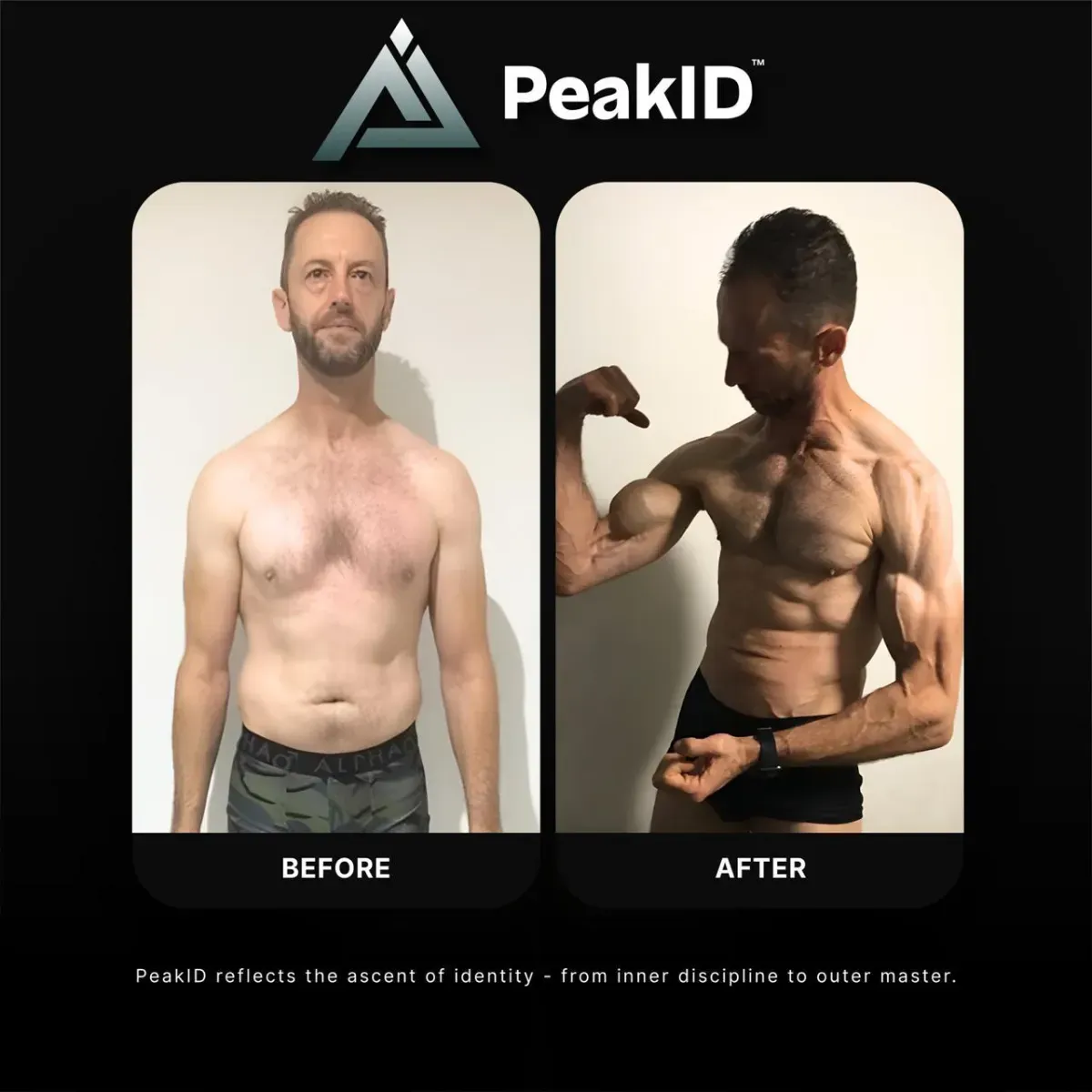
Terry
Senior exec under pressure. Lost 9kg fast and built a powerful physique to match his high-level mindset.
"These results are not typical. All transformations are unique, and your results will depend on many factors including your commitment, consistency, and individual circumstances."
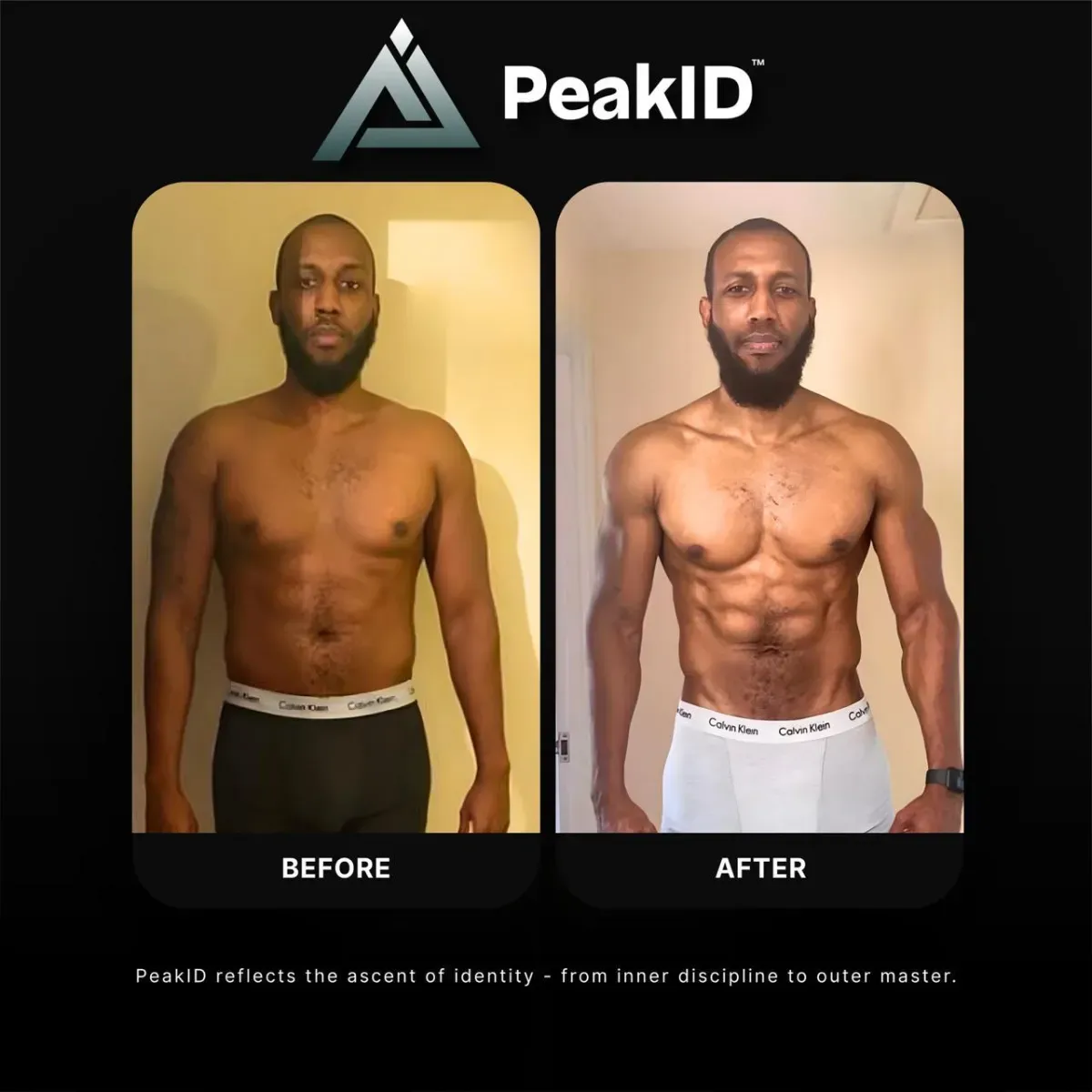
Niall
Property investor. No time, no excuses but achieved a shredded physique in 90 days while expanding his empire.
"These results are not typical. All transformations are unique, and your results will depend on many factors including your commitment, consistency, and individual circumstances."
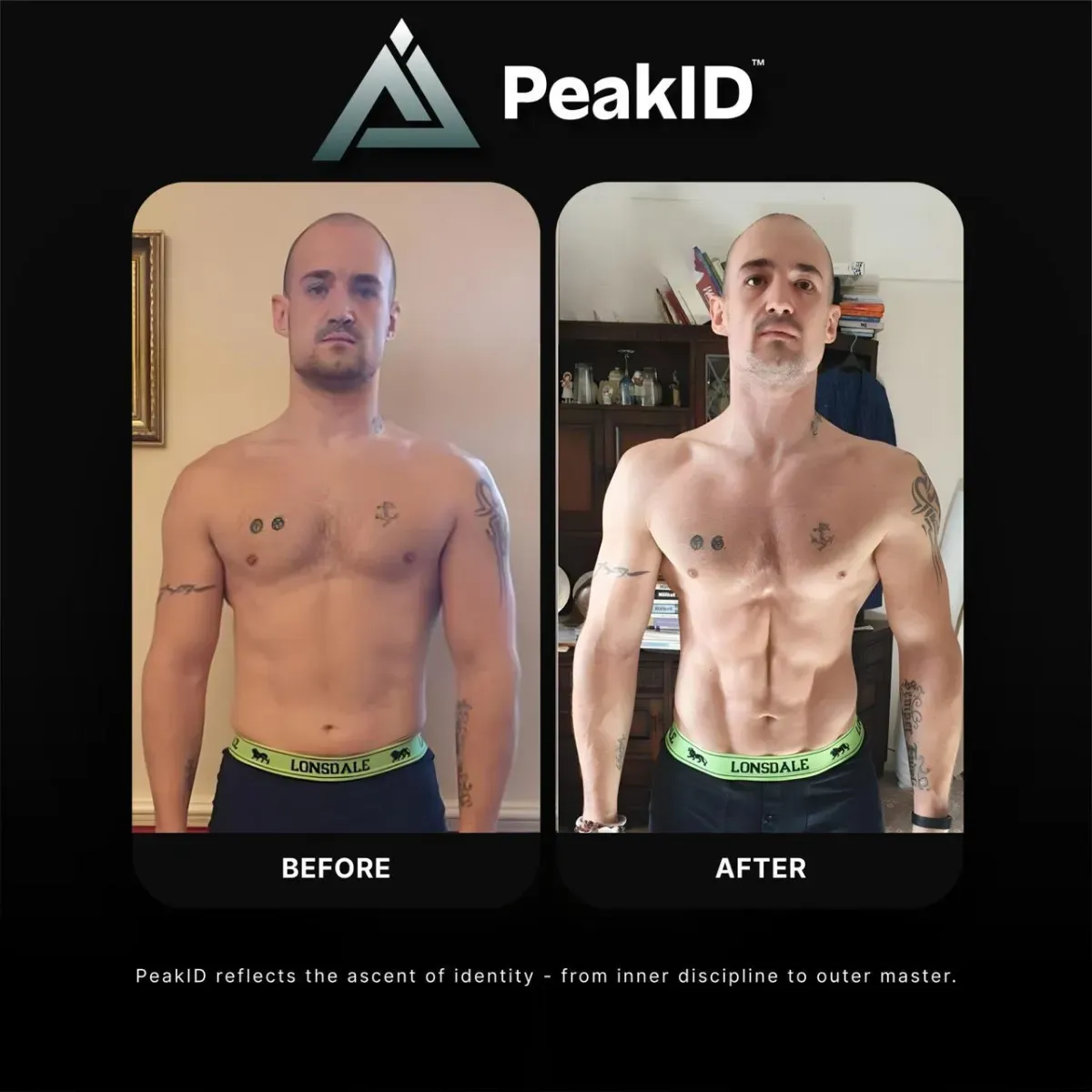
Oliver
Property investor balancing multiple projects. Dropped 11kg, gained clarity, and built a physique that reflects his ambition.
"These results are not typical. All transformations are unique, and your results will depend on many factors including your commitment, consistency, and individual circumstances."
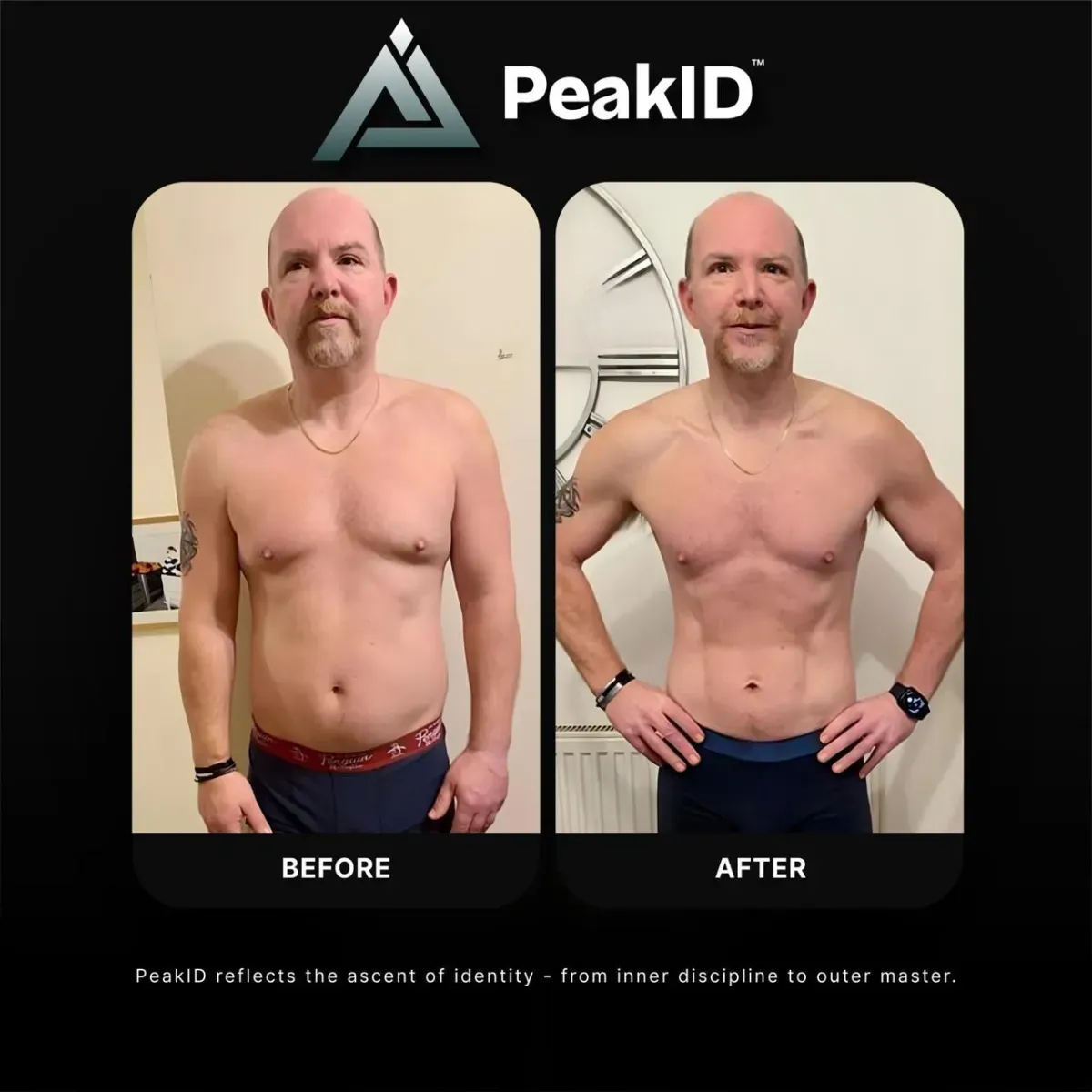
Mike
Multiple business owner. Dropped 10kg and revealed abs in just 90 day while scaling his companies.
"These results are not typical. All transformations are unique, and your results will depend on many factors including your commitment, consistency, and individual circumstances."
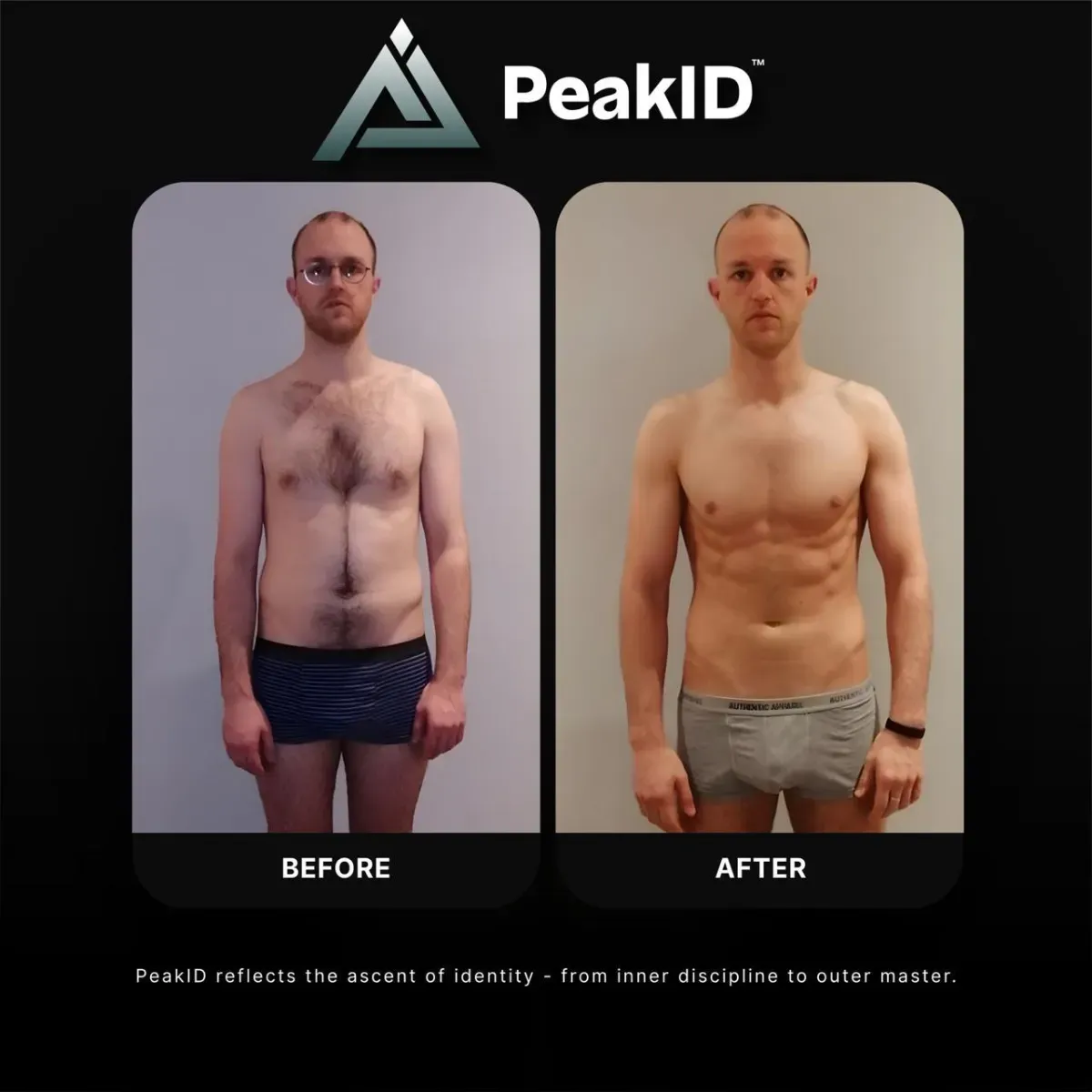
Brett
Property specialist. Came in lost, left with abs and inspired his team by becoming the example.
"These results are not typical. All transformations are unique, and your results will depend on many factors including your commitment, consistency, and individual circumstances."
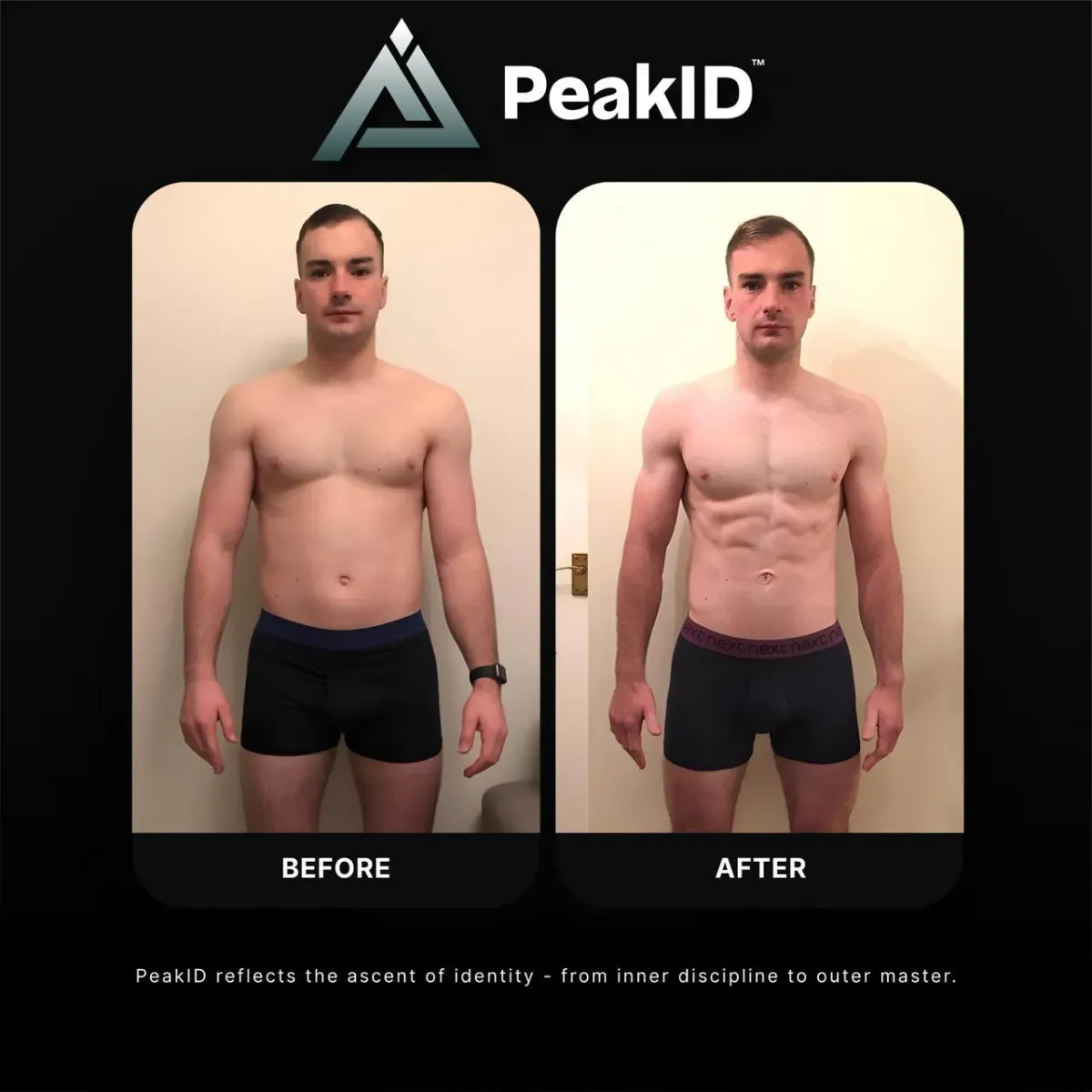
Greg
Entrepreneur and business owner. Came in unfocused. Built structure, lost 10kg, and now performs like a weapon in and out of the boardroom.
"These results are not typical. All transformations are unique, and your results will depend on many factors including your commitment, consistency, and individual circumstances."
Individual results vary. Client examples shown reflect individual experiences and are not a guarantee of typical results. Outcomes depend on factors including starting point, adherence, lifestyle, physiology and individual circumstances.
GO DEEPER
Explore Executive Health
ENERGY
Why Am I Still Tired After 8 Hours of Sleep?
Understand why sleep duration is only one part of the energy equation.
NUTRITION
Why Your Weekend Can Undo Your Entire Week
How weekly energy intake can derail progress despite five disciplined days.
SLEEP
What Alcohol Actually Does to Your Sleep
A practical look at alcohol, sleep quality and recovery.
TRAVEL
The Executive's Guide to Staying Healthy While Travelling
How to manage training, nutrition and recovery when you're constantly moving.
PERFORMANCE
VO₂ Max After 40: What You Need to Know
Why cardiovascular capacity becomes increasingly important as you age.
BIOMARKERS
Which Health Markers Should Men Over 40 Pay Attention To?
A practical introduction to building a more complete picture of your health.
Executive Health FAQs
Peak ID
Personal performance architecture for founders, executives, and high-achieving professionals.
Company Details:
Name: JG Physique FZ LLE
Licence Number: 18133/2022
Address: Fujairah - Creative Tower
P.O.Box 4422 Fujairah
Navigation
Navigation
none of the information on this page is medical advice
© 2026 Peak ID. All rights reserved. Privacy Policy · Terms & Conditions · Cookie Policy · Refund Policy